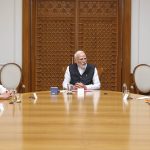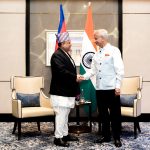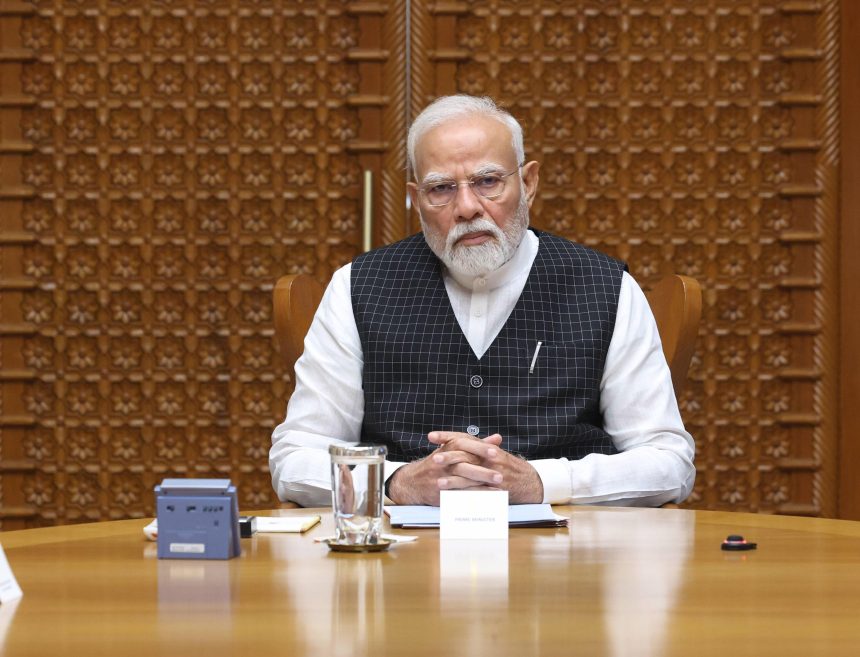
New Delhi, April 23, 2025 – In a stern response to the recent terrorist attack, India’s Cabinet Committee on Security (CCS) has announced a series of decisive measures aimed at holding Pakistan accountable for its alleged involvement in cross-border terrorism. Foreign Secretary Vikram Misri addressed the nation earlier today, detailing the new steps, which include suspending key agreements and imposing severe diplomatic actions.
1. Suspension of Indus Waters Treaty
The most significant measure announced by Misri is the immediate suspension of the Indus Waters Treaty of 1960. The treaty, which has governed the sharing of water from the Indus River system, will remain in abeyance until Pakistan “credibly and irrevocably abjures its support for cross-border terrorism.” The move signals India’s growing frustration with Pakistan’s inability to curb militancy and further strains the already tense relationship between the two neighboring countries.
2. Closure of Attari Integrated Checkpost
In a further escalation of diplomatic tensions, the Indian government has decided to close the integrated checkpost at Attari. This border crossing, a vital link between India and Pakistan, will remain shut for the foreseeable future. Pakistani nationals currently in India are being granted a window to return via this route before May 1, 2025, with the authorities emphasizing that valid endorsements will still allow passage until the deadline.
3. Suspension of SAARC Visa Exemption Scheme
India has also announced the suspension of the SAARC visa exemption scheme for Pakistani nationals, preventing them from traveling to India under this provision. Additionally, any Special Pakistan Entry Scheme (SPES) visas that were previously issued to Pakistani nationals are now deemed cancelled, and those in India on these visas have 48 hours to leave the country.
4. Expulsion of Pakistani Diplomats
In a strong diplomatic move, India declared the Defence, Military, Naval, and Air Advisors in the Pakistani High Commission in New Delhi as persona non grata. These officials have been given a week to leave India. This action marks a major diplomatic rupture, with India signaling that it holds Pakistan accountable for not taking sufficient action against cross-border terrorism.
5. Withdrawal of Indian Advisors from Islamabad
In response, India has decided to withdraw its own Defence, Navy, and Air advisors from the Indian High Commission in Islamabad. These posts, vital for bilateral military coordination, have been annulled, sending a clear message that India will take necessary steps to ensure its security and sovereignty.
Conclusion: Rising Tensions Between India and Pakistan
The series of measures underscores the heightened tensions between the two nations and reflects India’s growing impatience with Pakistan’s support for terrorist activities. These moves are expected to strain already delicate relations further, with both sides bracing for a prolonged diplomatic standoff. As India takes a hardline stance, the international community will be closely monitoring the developments, especially the potential impact on regional security and the broader geopolitical landscape.