After over three years of negotiations, countries finally agreed on a groundbreaking deal aimed at improving the world’s ability to respond to future pandemics, avoiding the mistakes made during the Covid-19 crisis. The deal was reached in the early hours of Wednesday, April 16, 2025, after a final marathon session that concluded at around 2:00 am (0000 GMT) at the World Health Organization’s (WHO) headquarters in Geneva.
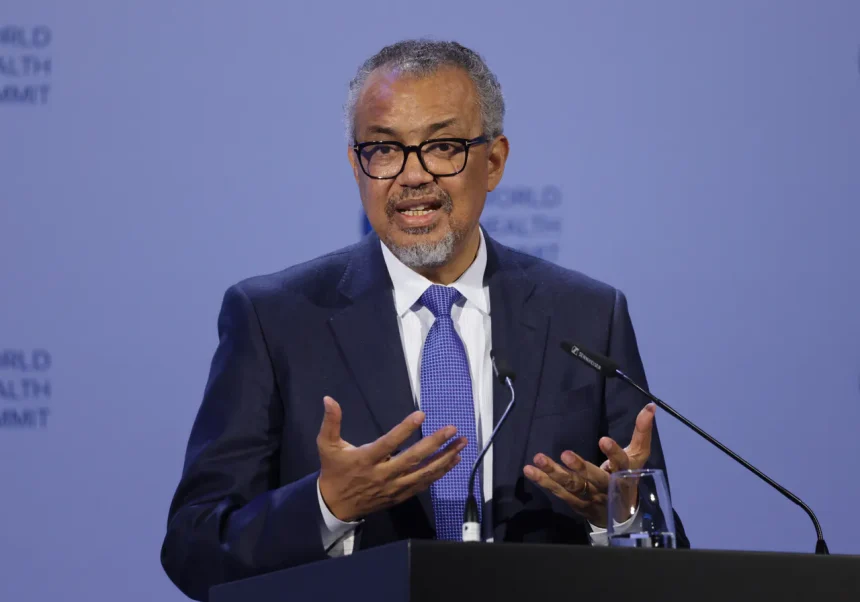
Dr. Tedros Adhanom Ghebreyesus, WHO’s Director-General, hailed the agreement as a major milestone in global health. “This is a historic moment for all nations as we take a decisive step towards a safer world,” he stated.
The urgency of the talks was driven by the aftermath of the Covid-19 pandemic, which resulted in millions of deaths, severely disrupted economies, and strained health systems. With new pandemic threats like H5N1 bird flu, measles, and Ebola still looming, the negotiations took place under mounting pressure.
One of the final points of contention was Article 11 of the agreement, concerning the transfer of technology for pandemic-related health products to developing nations. During the Covid-19 crisis, poorer countries criticized wealthier nations for hoarding essential vaccines and medical supplies. Richer nations, particularly those with large pharmaceutical industries, opposed mandatory technology transfers. However, the issue was resolved by stating that such transfers must be “mutually agreed upon” by all parties.
At the heart of the agreement is a proposed Pathogen Access and Benefit-Sharing System (PABS), designed to ensure swift and equitable sharing of pathogen data with pharmaceutical companies. This system will facilitate the rapid development of products aimed at combating future pandemics.
The 32-page agreement was unanimously approved by all WHO member states, signaling the success of the talks. “It’s adopted,” announced co-chair Anne-Claire Amprou, drawing applause from the exhausted delegates.
Tedros expressed confidence in the agreement’s potential to bring greater equity to global pandemic preparedness. While the steps required to coordinate responses may come at a significant cost, he emphasized that the cost of inaction would be far greater, warning that a pandemic poses a greater threat than even war.
Despite the absence of the United States—due to the previous administration’s withdrawal from the WHO and a reduction in foreign aid—the agreement went ahead. However, the shadow of this absence and potential tariffs on pharmaceutical products still loomed over the talks.
Looking forward to the implementation of the agreement, David Reddy, Director General of the International Federation of Pharmaceutical Manufacturers and Associations, stressed the importance of maintaining conditions that would allow the private sector to continue developing pandemic-fighting innovations. “This agreement is just the beginning,” he noted.
As the final moments of the negotiations drew to a close, New Zealand’s former prime minister Helen Clark, co-chair of the Independent Panel for Pandemic Preparedness and Response, praised the agreement as a victory for global cooperation. “In a time when multilateralism faces challenges, the world’s nations have come together to ensure we face future pandemic threats as a unified front.”
While the agreement was hailed as a victory, representatives from Eswatini reminded delegates that the true work lies in its implementation. “We must not rest on our laurels. The real challenge begins now,” they cautioned.