New Delhi, Dec 15:
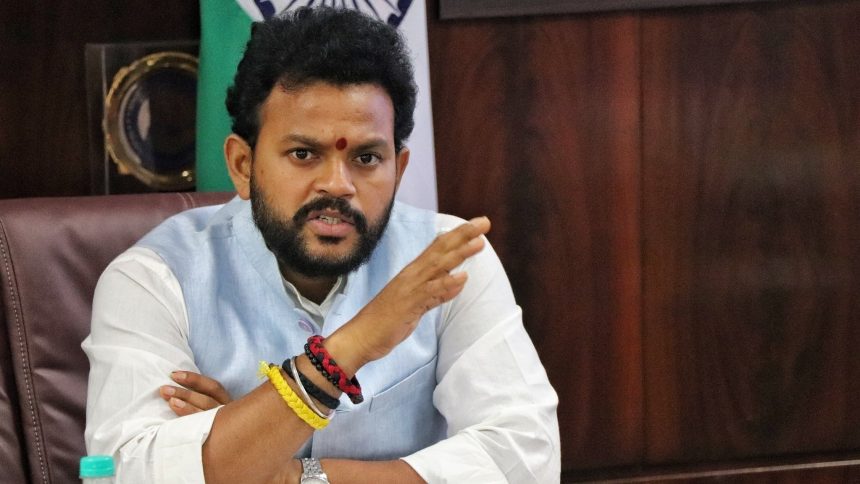
The government is taking the issue of high airfares seriously and is strengthening the Directorate General of Civil Aviation’s (DGCA) tariff monitoring unit to prevent opportunistic pricing, Civil Aviation Minister Kinjarapu Rammohan Naidu informed the Rajya Sabha on Monday.
Responding during Question Hour, Naidu said air travel is a deregulated sector, and fare surges generally occur due to demand-supply mismatches. However, the ministry is closely monitoring domestic and international routes to ensure fares remain reasonable and affordable.
“The tariff monitoring unit of DGCA is being further strengthened. The government wants to prevent opportunistic pricing situations,” the minister said, adding that the ministry works to ensure a smooth travel experience for passengers at every touchpoint.
Referring to the December 6 fare capping, Naidu said it followed disruptions caused by capacity constraints during the IndiGo crisis, which led to cancellations and fare spikes. “To keep airfares reasonable and affordable, we capped the prices,” he noted.
The minister said the government intervenes whenever extraordinary situations lead to fare hikes, citing past actions during the Kumbh Mela, the Pahalgam incident, and the COVID-19 pandemic.
In a written reply, Naidu said the ministry regularly monitors the AirSewa grievance redressal mechanism and conducts periodic assessments of user feedback, timelines, and quality of grievance disposal. Passenger satisfaction has improved, particularly in complaint filing and tracking, though issues such as flight delays, refunds, and baggage delivery remain focus areas.
He said a new grievance category—“Air Fare” for high airfare complaints—has been introduced on the AirSewa portal, launched in 2016.
Under the portal, 9,649 complaints were received and redressed in 2022, 14,116 in 2023, and 19,262 in 2024. In 2025 (January 1 to November 30), 16,591 complaints were received, of which 16,309 were resolved, while 282 remain pending.