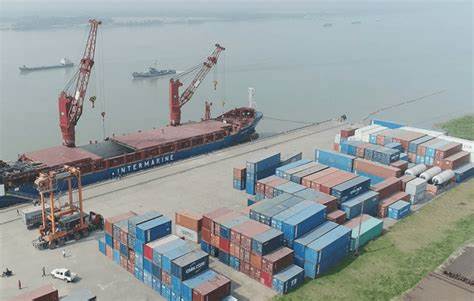
New Delhi/Dhaka, May 18 — In a significant move that could strain trade ties between India and Bangladesh, New Delhi has blocked the import of several Bangladeshi goods via land routes, allowing their entry only through two designated seaports — Mumbai’s Nhava Sheva and Kolkata.
The restriction, announced in a notification issued by the Ministry of Commerce on May 17, comes amid growing trade imbalances between the two South Asian neighbors. Bangladesh, which recorded a trade deficit of USD 9.2 billion with India for the fiscal year ending March 2024, is expected to feel the brunt of the new directive, particularly in its textile and processed food sectors.
The affected goods include a wide range of products: fruits, fruit-flavored and carbonated beverages, processed food items, wooden furniture, plastics, dyes, cotton, and cotton yarn waste, among others.
While the government has not officially cited a reason for the move, trade analysts are viewing it as a tit-for-tat response to recent trade-related decisions by Dhaka that may have impacted Indian exporters.
The restriction on land routes is expected to cause logistical and financial disruptions for Bangladeshi exporters, who heavily rely on overland routes for quicker and cost-effective access to Indian markets.
“The redirection to seaports significantly increases transportation time and cost, especially for small and medium exporters,” said a Dhaka-based trade analyst. “This could further widen the existing trade deficit and strain bilateral trade relations.”
The move comes at a time when both countries are working to deepen economic cooperation through regional trade initiatives and infrastructure projects. However, the sudden restriction may trigger diplomatic engagement as Dhaka is likely to seek clarification and possible reversal of the decision.
Industry stakeholders on both sides are closely monitoring the situation, amid concerns that prolonged restrictions could hurt cross-border trade and economic ties in the region.